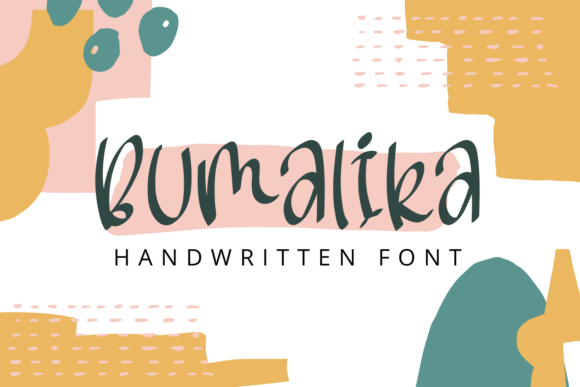
The Warmth of a Handwritten Smile: How Bumalika Brings Personality to Modern Design
There are fonts that convey information, and then there are fonts that evoke a feeling before a single word is read. Bumalika belongs firmly in the second category. With its rounded letterforms, slightly imperfect curves, and an unmistakable sense of friendliness, this cute and unique handwritten font does something increasingly rare in an automated world—it feels genuinely human. For anyone who has scrolled past countless sterile sans-serif headlines or overly formal serif blocks, the cheerful cadence of Bumalika arrives like a welcome pause. It is cartoon-like without being childish, warm without losing clarity, and above all, deeply adaptable across a surprising range of visual communication needs.
What Makes a Handwritten Font Resonate Today
Digital connectivity has paradoxically made authenticity more precious. Audiences now routinely filter out generic marketing, and the quest for genuine connection shapes everything from branding choices to social media engagement. Handwritten typefaces have surged in popularity not because they are trendy, but because they bridge a gap that cold typography leaves open. When a label, post, or invitation uses a font like Bumalika, the immediate impression is one of care and personal attention.
This shift isn’t about retro nostalgia alone. It reflects a practical understanding that people trust what feels approachable. A startup might use a crisp geometric logo, but they often pair it with a softer handwritten element inside packaging or on social posts to humanise their voice. Bumalika fits directly into this space, offering a balance of playfulness and polish that lets both professional and personal projects speak with an authentic tone.
The Distinct Character of Bumalika
Not every handwritten font achieves the same effect. Some lean heavily into brush-pen drama, while others mimic rushed scribbles. Bumalika carves out its own territory by being overtly friendly and cartoon-like in the best possible way. The letter shapes are full of buoyancy—ascenders bounce just enough, counters stay open and readable, and the baseline flows with a rhythm that suggests hand-lettering done by someone who was smiling as they wrote. This built-in cheerfulness doesn’t just attract attention; it keeps viewers engaged longer.
Clarity Meets Whimsy
Playful fonts often sacrifice legibility at small sizes or in dense text. One of the most practical strengths of Bumalika is that its whimsy doesn't undermine function. Word spacing remains generous, character distinctions are sharp, and even when used in short paragraphs or multi-word product names, it stays easy to read. That makes it a smart choice for packaging, where scanning happens quickly, or for quote graphics shared on mobile screens where every pixel counts.
A Shape Language That Adapts
The slightly rounded terminals and soft strokes of this typeface create a visual softness that works harmoniously with pastel palettes, craft paper textures, or bright pop colors. Yet it also holds up against clean white backgrounds or modern minimalist layouts because its personality provides the focal point. You can place Bumalika on a kraft label for organic honey just as effectively as on a glossy sticker for a children's book. The font doesn’t dictate the setting; it elevates the setting through its own internal consistency.
Why Designers and Entrepreneurs Keep Reaching for Friendly Typography
Market preferences have been shifting away from the impersonal. Large corporate identities still value stability, but the touchpoints where consumers actually form relationships—social media, unboxing experiences, event collateral—demand a different emotional register. Using a cute handwritten font for a logo or invitation no longer reads as amateur. It reads as intentional warmth. Small business owners, content creators, and agency designers are all discovering that a single typeface choice can make a brand feel more memorable within seconds.
Building Emotional Trust Through Visual Softness
Psychologically, rounded shapes signal safety and approachability. When someone opens a product package and sees the gentle lettering of Bumalika on a thank-you note or an insert card, it triggers a subconscious association with handmade quality and individual thoughtfulness. In an era when many customer interactions happen through screens, these small physical or digital moments carry disproportionate weight. The font becomes an agent of brand personality—consistent, recognisable, and instantly likeable.
Practical Applications Where Bumalika Excels
Because the font is so versatile, it escapes the trap of being pigeonholed into only one niche. While it’s obviously well-suited to children’s products or party supplies, its true strength lies in how effectively it crosses categories. Here are several areas where integrating this typeface can transform creative outcomes.
Branding and Logo Design
A logo doesn’t need to be rigid to be professional. Bakeries, stationery boutiques, independent coffee roasters, pet care services, and craft studios often benefit from the approachable energy that Bumalika provides. Even a primary logo that uses a more structured typeface can be complemented by a tagline or secondary mark set in this font. It instantly tells the world, “We are here to make your day a little brighter.” The key is using it where the message benefits from a human touch.
Product Packaging and Labels
Walk through a farmer’s market or browse an online shop specialising in artisan goods, and you’ll see an abundance of handwritten fonts. Bumalika distinguishes itself here because it manages to look bespoke without appearing messy. On a jar of preserves, the flavour name written in this typeface suggests a recipe passed down through generations. On a candle label, it adds warmth before the candle is even lit. The font works beautifully for short, impactful bursts of text, making it an ideal candidate for product names, ingredients highlights, or small descriptive tags.
T-shirts, Tote Bags, and Apparel
Wearable messages rely on personality to sell. A motivational quote printed on a T-shirt using Bumalika feels like a note from a friend rather than a mass-produced graphic. The cartoon-like charm is particularly effective for casual wear, fundraiser merchandise, or team event shirts where the goal is to create a sense of shared excitement. Because the letterforms retain shape integrity when enlarged, screen-printing distortions are less of a concern compared to overly thin scripts.
Invitations, Greeting Cards, and Event Signage
From birthday parties and baby showers to community gatherings and workshops, event materials benefit from an immediate injection of celebration. Bumalika on an invitation envelope immediately signals that the occasion will be joyful and relaxed. Paired with a clean secondary type for logistical details like dates and addresses, the font acts as the visual headline that draws people in. Even digital invitations sent via messaging apps or email retain that personal sentiment when set in this style.
Social Media Quotes, Stories, and Thumbnails
Content creators know that stopping the scroll requires a mix of emotional resonance and visual distinctiveness. The friendly rhythm of this cute handwritten font works exceptionally well for quote cards, mental health prompts, daily affirmations, or micro-storytelling snippets. On platforms like Instagram and TikTok, where text overlays need to be readable in a split second, Bumalika offers character without clutter. Its cartoon-like quality also aligns well with lighthearted video thumbnails or podcast cover art seeking a playful vibe.
The Evolution of Expressive Fonts in a Mature Design Landscape
For years, many design conversations centred on minimalism, grid-based layouts, and neutral sans-serifs as the pinnacle of good taste. While those principles remain foundational, the industry has matured enough to embrace a wider spectrum of expression. Variable fonts, hand-drawn textures, and kinetic typography have all pushed the boundaries of what type can do. Bumalika sits comfortably within this expanded vocabulary—not as a rejection of clarity, but as an assertion that emotion deserves a seat at the table.
How Consumer Expectations Fuel the Need for Handwritten Charm
Today’s consumers interact with brands across multiple channels, often in rapid succession. The brands that linger in memory are those that feel consistent but also vividly human. A handwritten style used intelligently across touchpoints—website banners, thank-you cards, social ads, product stickers—creates a cohesive identity that doesn’t need to shout. The very softness of a font like Bumalika can differentiate a business in a sea of aggressive sales language. This isn’t about following a fleeting trend; it’s about using type as a strategic tool for building familiarity and loyalty over time.
Integrating Bumalika Thoughtfully into Your Creative Workflow
While the font is forgiving and flexible, getting the most out of it does involve a few conscious decisions. The goal is to let its personality enhance the message, not overpower it.
- Pair with contrasting typefaces: Combine Bumalika with a clean, legible sans-serif for body text. The contrast between the playful headline and the restrained supporting text creates a balanced hierarchy that guides the eye naturally.
- Mind the canvas: This font thrives in medium to large sizes. For very tiny disclaimers or dense paragraphs, reserve it for emphasis and use a simpler font for the heavy lifting.
- Use color intentionally: Since Bumalika already carries a cheerful tone, even monochrome applications feel vibrant. If you opt for bright colors, let the font be the anchor; too many visual elements competing can dilute its impact.
- Respect the context: In settings that demand extreme formality or a corporate legal tone, this font might feel mismatched. However, for brand voice, internal communications, event collateral, and community-facing materials, it often becomes the piece that feels most genuine.
- Test readability at a distance: For posters and signage, step back and make sure the playful character doesn’t compromise word recognition. Bumalika typically holds up well, but actual testing in the intended environment is always wise.
The Role of Bumalika in Future-Ready Design
Looking ahead, the demand for visuals that signal empathy and real human presence is unlikely to fade. As automation and AI-generated content continue to scale, the counter-movement toward craft, idiosyncrasy, and personal expression will intensify. A typeface like Bumalika isn’t just a momentary stylistic preference; it represents a functional design asset that helps bridge the gap between digital efficiency and emotional connection. In product packaging, that might mean a label that feels like a gift tag. In branding, it could be the warm logo variation that customers remember. In everyday creative work, it simply makes the process of designing a little more joyful.
The projects that truly resonate are rarely the ones that play it safest. Choosing a cute and friendly handwritten font such as Bumalika signals a willingness to be seen, to invite interaction, and to prioritise feeling over perfection. Whether you’re developing a full visual identity, designing a single event invitation, or refreshing product labels for a small-batch venture, the type you select will set the tone. And when that tone is one of genuine warmth and cartoon-like optimism, the results tend to stay with people long after they’ve looked away from the screen or put down the package.